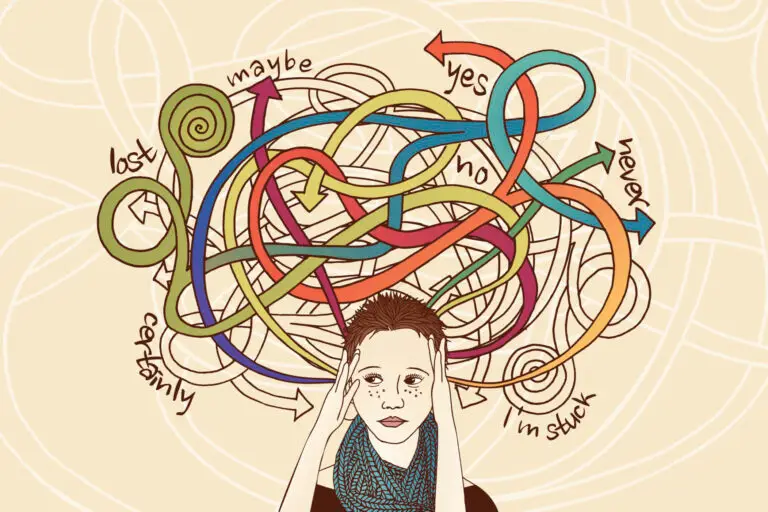
Emotional fatigue is a state of psychological exhaustion that occurs when a person has been exposed to prolonged stress, intense emotional demands, or difficult situations. It may not be obvious at first, but it can significantly impact well-being, relationships, and daily functioning.
Symptoms of Emotional Fatigue
Recognizing it early is key. Some of the most common symptoms include:
- Constant tiredness, even after resting
- Irritability or frequent mood changes
- Difficulty concentrating or making decisions
- Lack of motivation or loss of interest in previously enjoyable activities
- Feeling overwhelmed or “at your limit”
- Sleep problems (insomnia or oversleeping)
- Emotional distancing from others
Effects on Daily Life
If left unaddressed, emotional fatigue can lead to important consequences:
- Decreased work or academic performance
- Strained interpersonal relationships
- Increased vulnerability to anxiety and depression
- Physical issues such as headaches, muscle tension, or low energy
- A sense of disconnection from oneself and others
Recommendations to Manage It
While each person is different, these strategies can help restore balance:
1. Identify your limits
Learn to recognize when you need a break. Saying “no” is also self-care.
2. Prioritize true rest
Not just sleep, but mental disconnection (less screen time, more moments of calm).
3. Regulate your emotions
Practice techniques such as deep breathing, journaling, or mindfulness.
4. Connect with others
Talking to someone you trust can ease the emotional burden.
5. Take care of your body
Exercise, balanced nutrition, and hydration directly influence emotional energy.
6. Seek professional support
If the burden feels too heavy, seeing a psychologist can provide valuable tools.
This content was developed with the support of ChatGPT, an artificial intelligence tool by OpenAI.