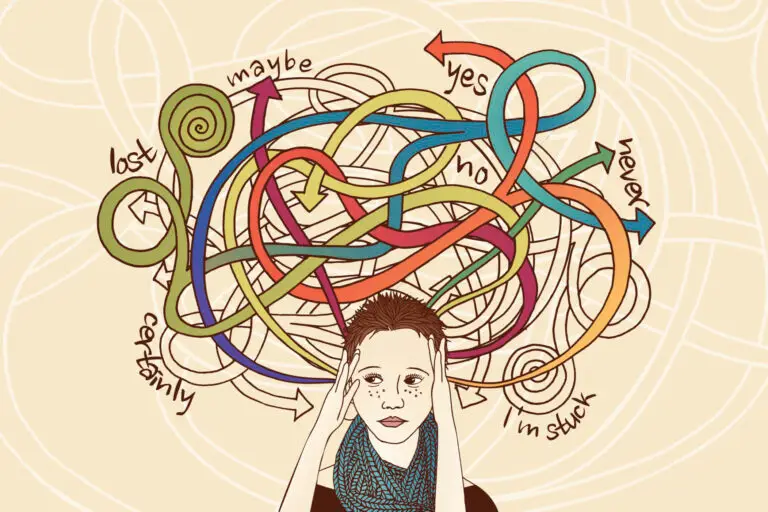
We live surrounded by painful news: inequality, violence, crisis, discrimination, job insecurity, and even the lack of necessities like water and electricity. It’s natural to feel anguish, anger, frustration, or helplessness in the face of all this. The question isn’t whether we should care, but how to hold ourselves together without being consumed from within.
The Issues That Worry Us Most
- Economic inequality and poverty: the gap between those who have plenty and those who don’t have enough keeps growing.
- Violence and discrimination: because of gender, race, sexual orientation, or social status, many people live with daily fear or exclusion.
- Loneliness and disconnection: paradoxically, in a hyperconnected world, social isolation is increasing.
- Invisible mental health struggles: many people suffer in silence out of fear of stigma. In Puerto Rico, roughly 6 out of 10 people don’t seek professional help.
Why This Affects Us Psychologically
Staying informed and being empathetic comes with an emotional cost. There’s a phenomenon known as compassion fatigue: when we absorb so much of other people’s pain that we end up exhausted, hopeless, or numb. This isn’t weakness — it’s a human response to overexposure to suffering. Many people have chosen to limit their use of social media, TV, or news to protect their well-being. With internet access, we now have visibility into what’s happening across the entire world, which can be deeply overwhelming for a human being.
How to Fight for Change Without Burning Out
- Stay informed, but with limits. Being aware is valid, but compulsive news consumption (doomscrolling) only feeds anxiety without giving us the tools to act.
- Act where you can. Small, sustainable activism — local volunteering, donations, honest conversations — combats helplessness better than passive outrage on social media. In therapy, I often provide a space of active listening so the patient feels free to express their concerns, frustrations, anger, and opinions without being judged or restricted.
- Take care of the body as an emotional foundation. Sleeping, moving, and eating well won’t solve injustice, but they sustain the energy needed to keep showing up.
- Build community. Sharing the weight with others — support groups, friends, therapy — keeps us from carrying the world’s burden alone.
- Accept personal limits. We can’t solve everything. Choosing which causes to actively engage with is an act of responsibility, not indifference.
- Seek professional help when needed. If distress over these issues starts affecting your sleep, mood, or daily functioning, talking to a psychologist can make a real difference.
«He who has a why to live can bear almost any how.» — Viktor Frankl, psychiatrist and founder of logotherapy, in Man’s Search for Meaning
A Final Thought
Genuine social commitment doesn’t require sacrificing mental health — quite the opposite, it needs it. A person who takes care of themselves has a greater capacity to sustain empathy, critical thought, and action over time. Taking care of ourselves isn’t selfish: it’s what allows us to keep fighting for what we believe is right, today and tomorrow.