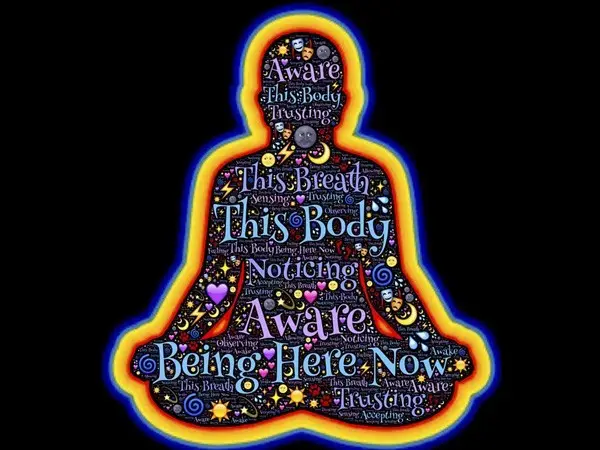
Holistic Therapy is a comprehensive approach that treats the individual as a whole — mind, body, and spirit. It focuses on promoting well-being by addressing the root cause of the issue or stressor rather than simply alleviating symptoms. It incorporates both traditional and non-traditional methods, including therapy, mindfulness, breathwork, and other body-centered techniques. The word “holistic” comes from the Greek holos, meaning “whole” or “complete.” Holistic therapy is based on the idea that all aspects of a person are interconnected, and an imbalance in one area can affect others.
Holistic therapy may be beneficial for people dealing with chronic stress, trauma, anxiety, or depression, as well as those seeking a better quality of life through a more comprehensive approach. Some benefits include:
- Improved mental health – It may help reduce symptoms of anxiety, depression, and stress.
- Increased self-awareness – Enhances understanding of emotions, thoughts, and behaviors, leading to self-acceptance and personal growth.
- Physical well-being – Helps relieve physical symptoms related to distress.
- Client empowerment – Encourages active participation in the healing process, helping individuals develop self-care tools and a greater awareness of their body and health needs.
- Prevention – By focusing on balance and prevention, it can help avoid future health issues and reduce dependence on medication for certain conditions.
- Fewer side effects – Many holistic therapies have fewer side effects than some pharmacological treatments, especially when practiced correctly.
Practice Exercise:
Preparation (5 minutes):
Find a quiet space where you won’t be interrupted. Sit comfortably with a straight back or lie down. Place one hand on your chest and the other on your abdomen. Gently close your eyes.
Phase 1: Conscious breathing (5 minutes):
Breathe deeply through your nose, feeling your abdomen expand first, then your chest. Exhale slowly through your mouth, releasing any tension. Focus solely on the natural rhythm of your breath, observing sensations without judgment.
Phase 2: Body scan (5 minutes):
Starting from the crown of your head, bring awareness to each part of your body. Notice areas of tension, pain, or discomfort without trying to change them, just acknowledge them. When you find tension, breathe into that area and imagine it relaxing with each exhalation.
Phase 3: Healing visualization (5 minutes):
Imagine a warm golden light entering through the crown of your head. Visualize this healing light flowing through your entire body, nourishing every cell and washing away stress, pain, or negative energy.
Phase 4: Positive intention (3 minutes):
Think of a positive intention or affirmation for your day, such as “My body is healing” or “I am at peace and in balance.” Silently repeat it while holding onto the feeling of calm.
Closing (2 minutes):
Gently wiggle your fingers and toes, take three deep breaths, and slowly open your eyes.
Claude. (2025, July 1). Information on holistic therapy [AI assistant response]. Anthropic.
Holistic therapy: Types, benefits, and more